
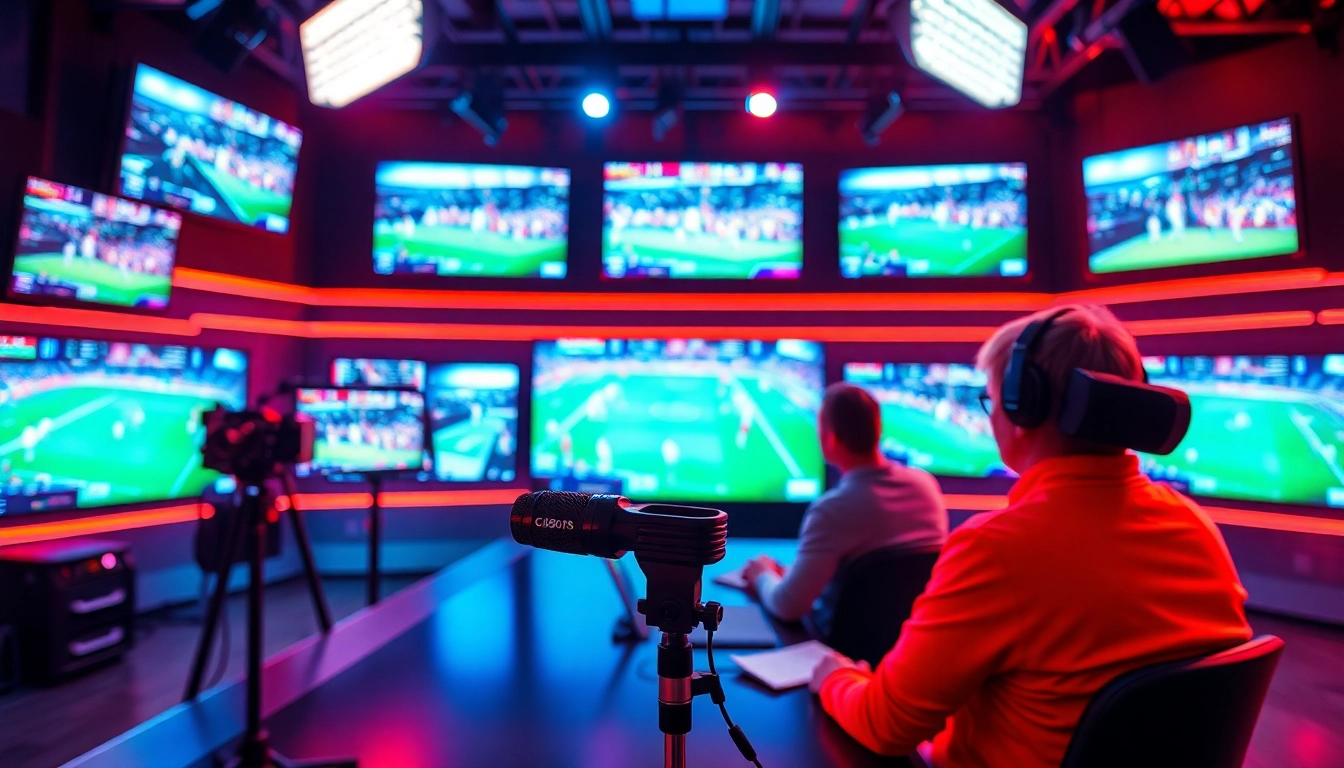
Understanding Sports Broadcasting: The Basics
Definition and Scope of Sports Broadcasting
Sports Broadcasting is the practice of disseminating sports events and their relevant commentary to a broad audience via various platforms, such as television, radio, and digital media. It encompasses a variety of formats including live coverage, highlight shows, interviews, and in-depth analyses. Broadcasting serves not just to inform sports enthusiasts but also to create a shared experience, reflecting the passion and excitement of sports. The landscape of Sports Broadcasting has evolved dramatically over the years, expanding from traditional media to include streaming services and social platforms, which have significantly shifted how audiences engage with sports content.
History and Evolution of Sports Broadcasting
The roots of sports broadcasting can be traced back to the early 20th century with broadcasts of major events like the 1911 baseball World Series on radio. As technology advanced, so did broadcasting methods. The invention of television in the 1930s led to a revolution in how sports were presented to the public, with iconic broadcasts such as the 1954 Sugar Bowl game marking pivotal moments in sports media history. Over the decades, developments like satellite TV, cable networks, and the internet have reshaped sports broadcasting, enabling fans to access content more broadly and specifically tailored to their preferences. Today, live streaming and mobile broadcasting have further propelled the evolution, allowing for an unprecedented level of interactivity and accessibility.
Key Players in the Sports Broadcasting Field
In the arena of sports broadcasting, various key players play critical roles. Broadcasters include major television networks and sports-specific cable channels, but the landscape has expanded to encompass digital platforms as well. These include social media giants that are now broadcasting games and highlights, alongside OTT (over-the-top) services designed for sports fans. Additionally, sports leagues and teams themselves have begun taking control of their content distribution through direct streaming options. These dynamics create an ever-evolving ecosystem where traditional and digital entities must collaborate to engage audiences effectively.
Technological Advances in Sports Broadcasting
Live Streaming and Viewer Engagement
The advent of live streaming has drastically transformed how audiences engage with sports. Now, fans can watch events from anywhere in the world using their smartphones, tablets, or computers. Platforms like Facebook Live, YouTube, and Twitch offer real-time options for audiences looking for direct interaction during games through features like comments and reaction buttons. Furthermore, advanced analytics and artificial intelligence are being integrated to personalize viewer experiences, providing them with instant replays, multiple camera angles, and even augmented reality elements that enrich the narrative of the game.
Enhancements in Broadcast Technology
Advancements in broadcast technology have led to significant improvements in how sports events are captured and presented. 4K and even 8K resolution broadcasts provide astonishing clarity, allowing viewers to feel as though they are part of the action. Enhanced audio technologies deliver surround sound quality that immerses viewers in the game's atmosphere. Additionally, technologies such as drones and 360-degree cameras offer unique perspectives of the games, creating visually stunning broadcasts that draw in more audiences. These innovations not only make the viewing experience richer but also cater to the preferences of the modern viewer who craves high-quality content.
The Role of Social Media in Sports Broadcasting
Social media has emerged as a powerful tool in the realm of sports broadcasting, functioning as both a platform for live commentary and a space for community engagement. Athletes and teams utilize platforms such as Twitter, Instagram, and TikTok to connect with fans, share behind-the-scenes content, and even broadcast live events. This level of engagement allows for real-time conversations during games, enhancing viewer connection and loyalty. Moreover, social media serves as a marketing tool, driving traffic to live broadcasts and expanding the reach of sports content worldwide.
Challenges Facing Sports Broadcasting Today
Legal and Regulatory Issues
The sports broadcasting industry must navigate a complex landscape of legal and regulatory issues, particularly regarding rights management and distribution regulations. Licenses for broadcasting sports events can be costly and are often contested, leading to controversies over who has the right to air specific events. Coupled with challenges such as the proliferation of pirated content, broadcasters must implement stringent measures to protect intellectual property while simultaneously ensuring compliance with local and international laws.
Competition Between Traditional and Digital Media
The battle for viewership between traditional broadcasters and digital platforms is intensifying. Traditional networks are grappling with declining audiences due to the rise of streaming services that offer flexibility and customization. On the other hand, digital platforms face challenges in acquiring the rights to major sports events and maintaining profitability. This competition compels both sides to innovate constantly, finding ways to enhance viewer experience while also monetizing their content effectively.
Financial Sustainability and Revenue Models
One of the foremost challenges in sports broadcasting is achieving financial sustainability. Traditional revenue models centered around advertising and subscription fees are constantly being evaluated and modified due to shifting audience behaviors. To remain profitable, broadcasters must explore alternative revenue streams, such as partnerships, merchandise sales, and video on demand (VOD) offerings. Additionally, maintaining viewer engagement through robust content strategies is essential for generating consistent advertising revenue in an increasingly competitive environment.
Best Practices for Effective Sports Broadcasting
Strategies for Engaging Audiences
To foster engagement with audiences, sports broadcasters can implement various strategies, including creating interactive content that allows viewers to participate actively. Polls, quizzes, and live Q&A sessions can enhance audience involvement and community building. Collaborations with athletes for exclusive interviews and personal stories also captivate viewers and provide a unique narrative that keeps them coming back. Establishing strong, consistent branding across platforms further enhances recognition and loyalty among audiences.
Creating Quality Content in Sports Broadcasting
Quality content is the cornerstone of successful sports broadcasting. Broadcasters must ensure that their content is not only informative but also entertaining. This involves investing in skilled commentators and analysts who can provide expert insights and commentary that enhance the viewing experience. Furthermore, focusing on storytelling—whether through pre-game analyses, in-game coverage, or post-event discussions—helps to create a compelling narrative that resonates with viewers and fosters a deeper connection to the sport.
Metrics for Measuring Success in Sports Broadcasting
Metrics play a crucial role in assessing the effectiveness and reach of sports broadcasting efforts. Key performance indicators (KPIs) such as viewer ratings, engagement rates on social media, and subscription growth are critical metrics that broadcasters should regularly analyze. Advanced analytics tools can help track viewer preferences and behavior, allowing broadcasters to tailor content and marketing strategies accordingly. Regularly conducting viewer surveys can also provide valuable feedback on what audiences seek, helping to align programming with viewer interests.
FAQs About Sports Broadcasting
What is Sports Broadcasting?
Sports Broadcasting refers to the distribution of sports events and commentary to audiences through various platforms, including television, radio, and digital media.
How has technology impacted Sports Broadcasting?
Technology has revolutionized Sports Broadcasting by enabling live streaming, high-definition broadcasts, and interactive content, significantly enhancing viewer engagement and experience.
What are the main challenges in Sports Broadcasting?
Key challenges include legal and regulatory issues, competition between traditional and digital broadcasters, and financial sustainability amid changing viewer preferences.
How can I get involved in Sports Broadcasting?
To get involved, consider pursuing education in media or communications, gaining experience through internships, and building a personal brand in related social media platforms.
What are future trends in Sports Broadcasting?
Future trends include increased integration of virtual reality, personalization of content, and a stronger emphasis on social media platforms to engage viewers.